Δωρεάν μεταφορικά για παραγγελίες άνω των 100€
ceramic sepia-05ceramic sepia mobile-05
ceramic sepia-02ceramic sepia mobile-02
ceramic sepia-01ceramic sepia mobile-01
ceramic sepia-03ceramic sepia mobile-03
ceramic sepia-04ceramic sepia mobile-04
ceramic sepia-06ceramic sepia mobile-06
ceramic sepia-07ceramic sepia mobile-07

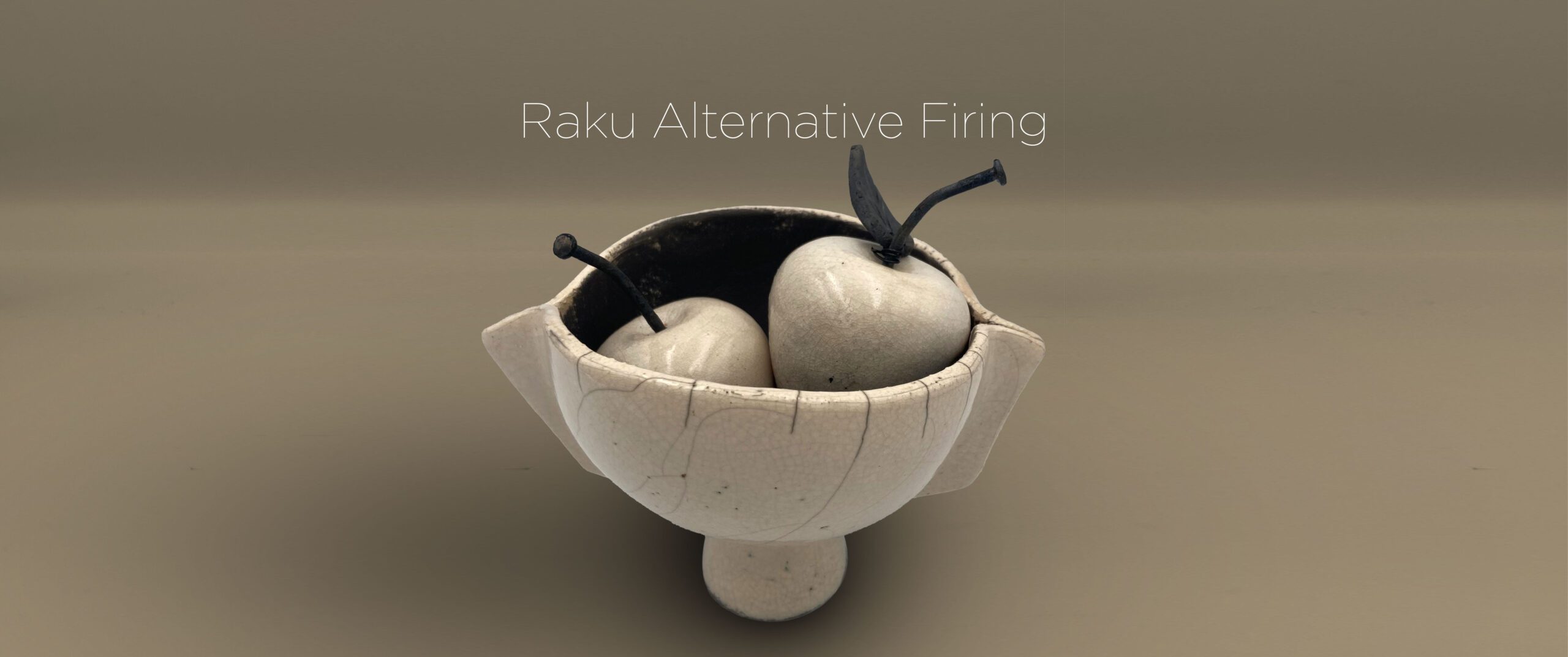
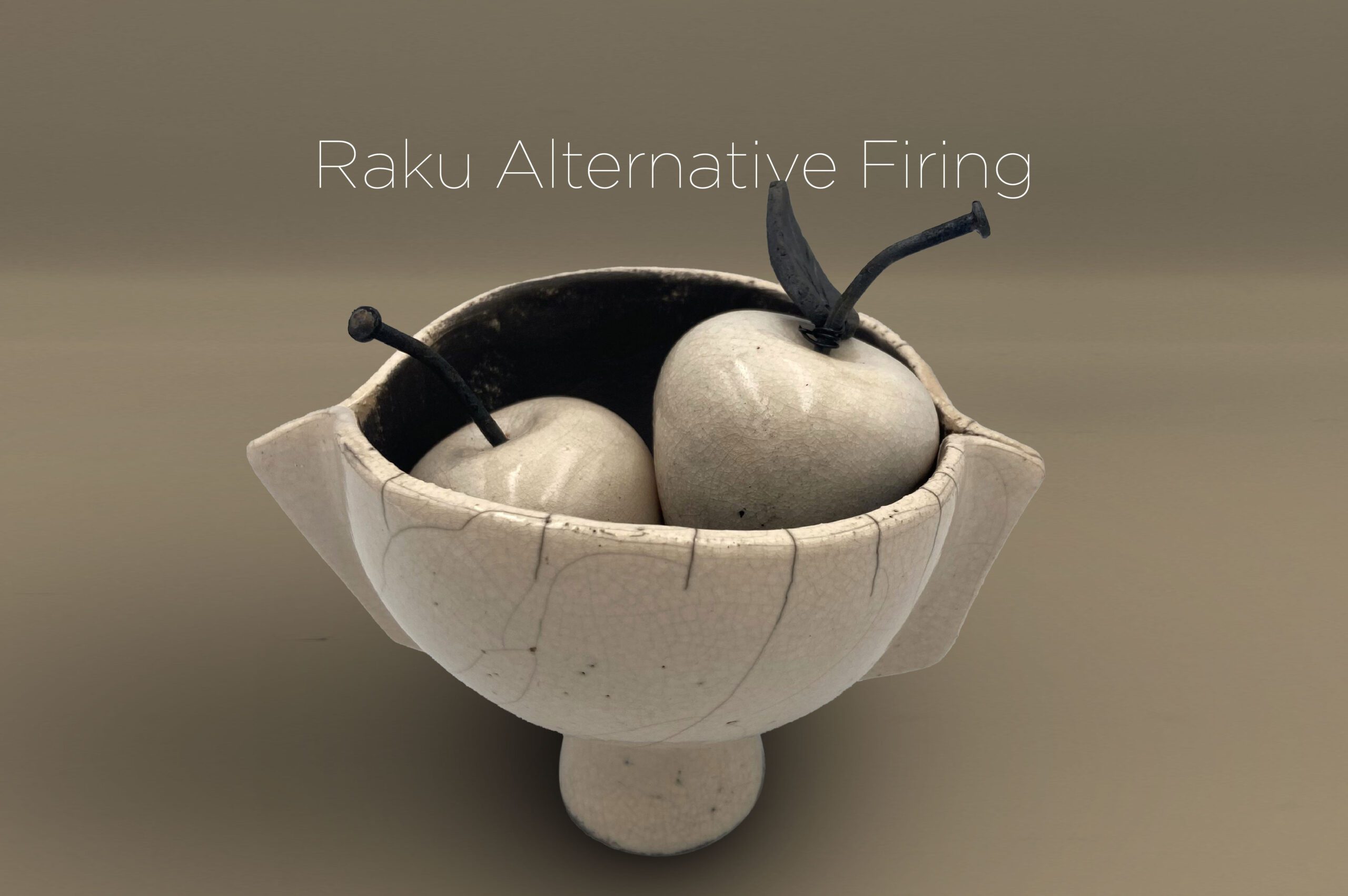
Raku firing technique

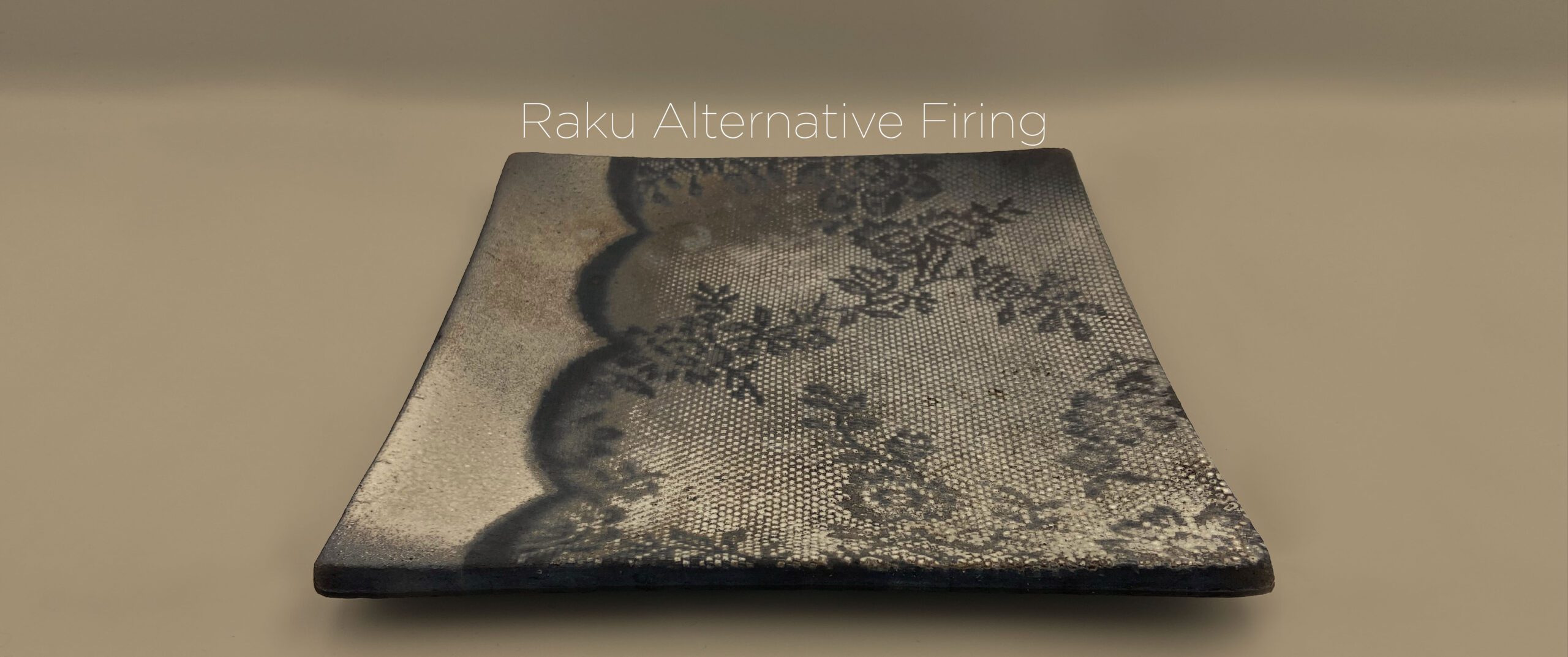
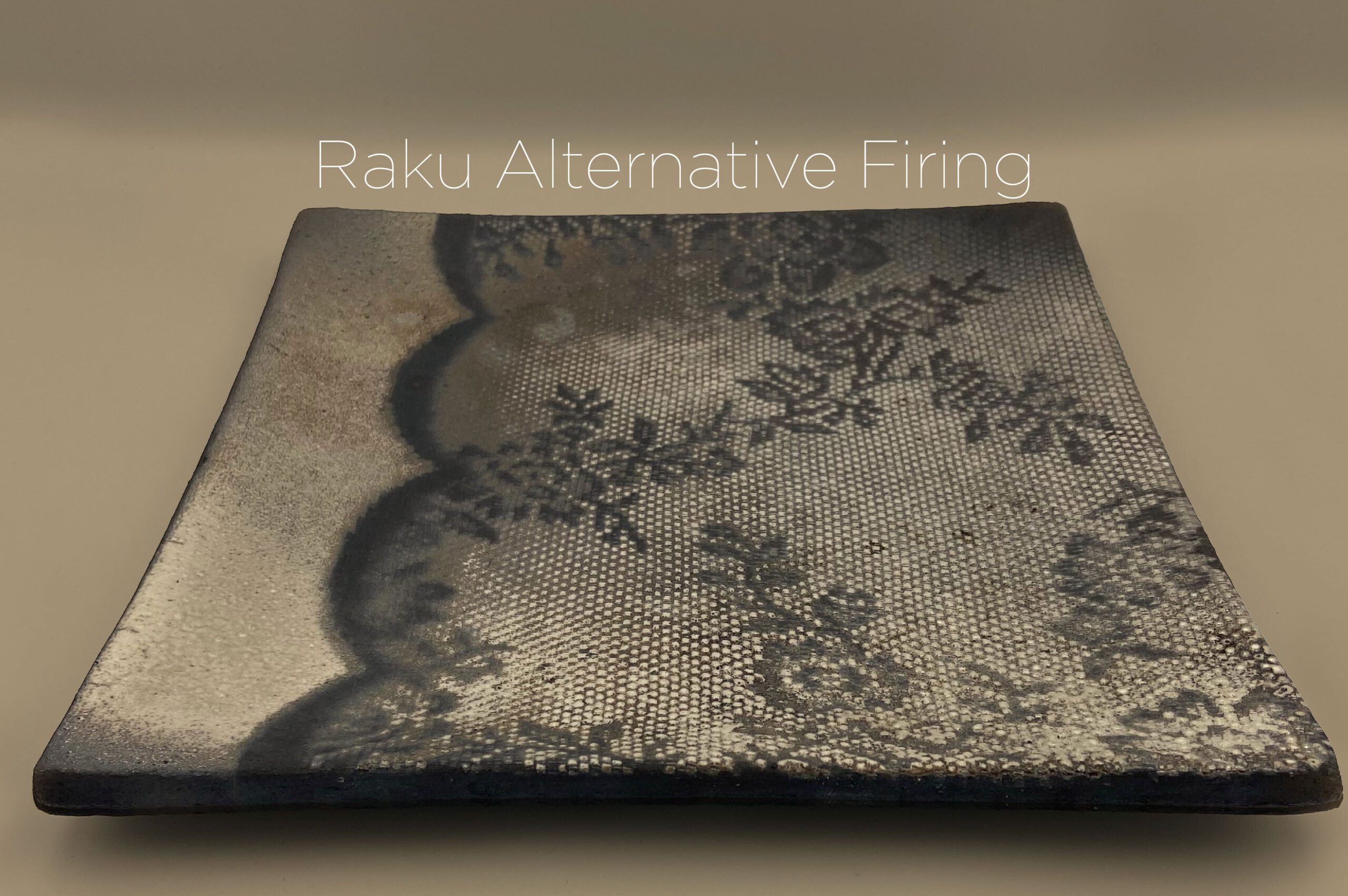
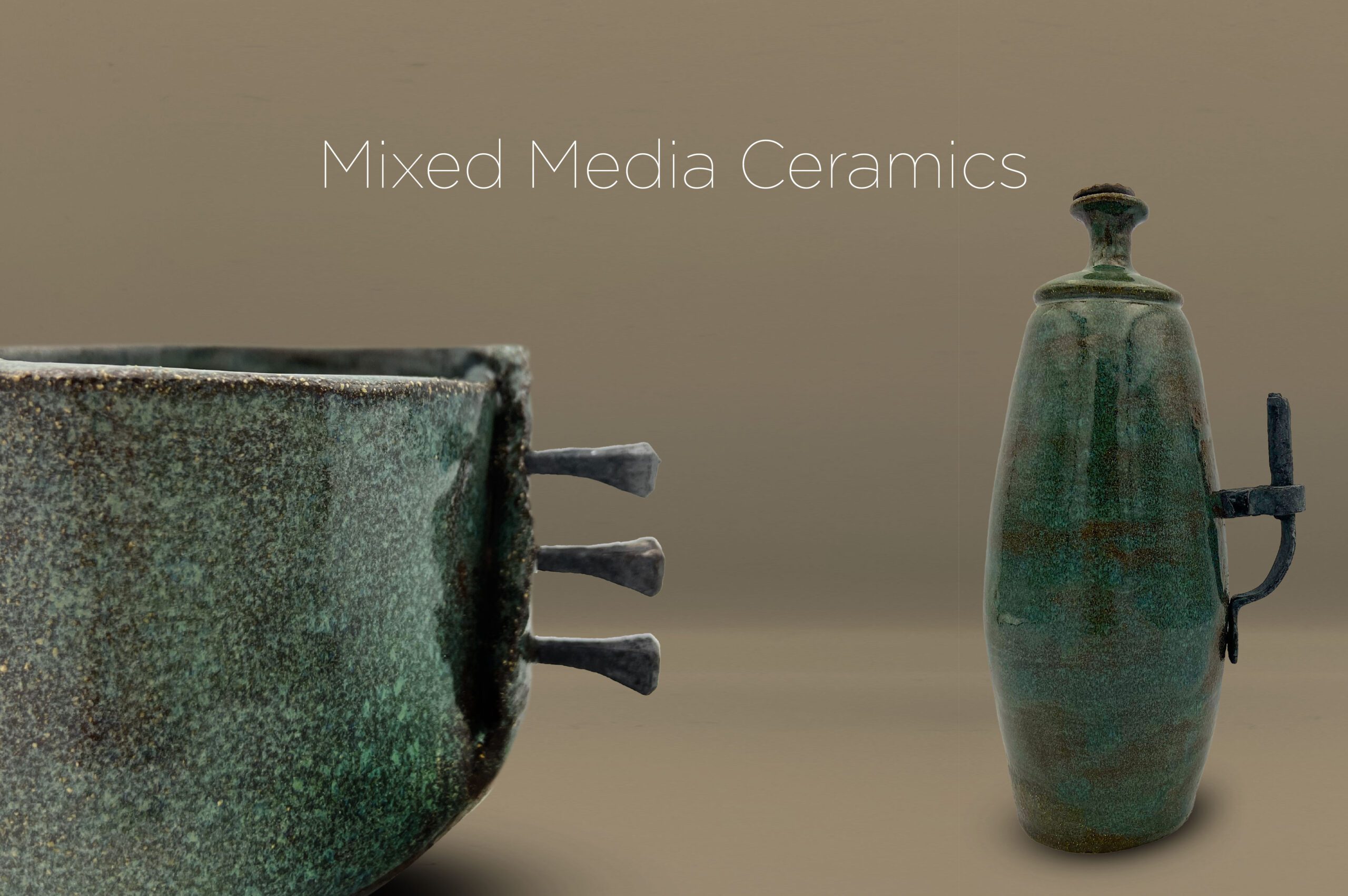
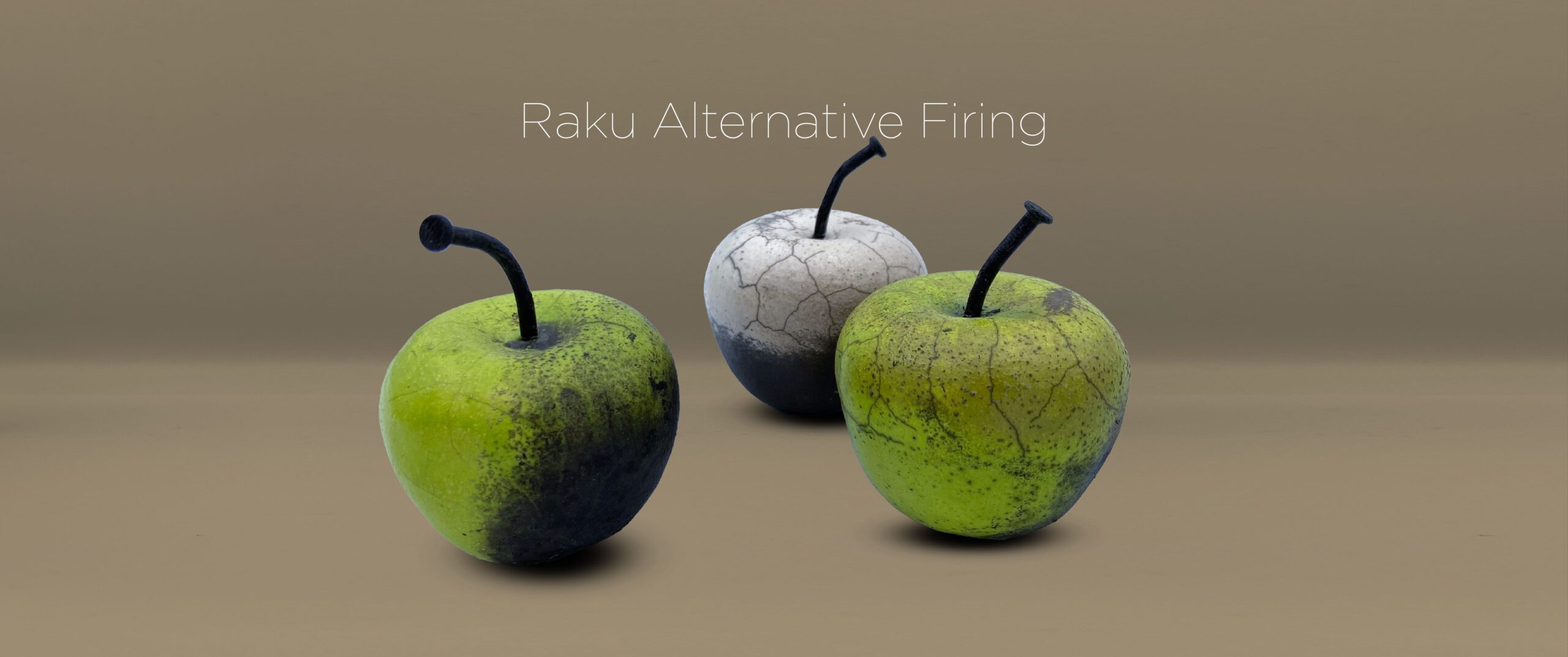
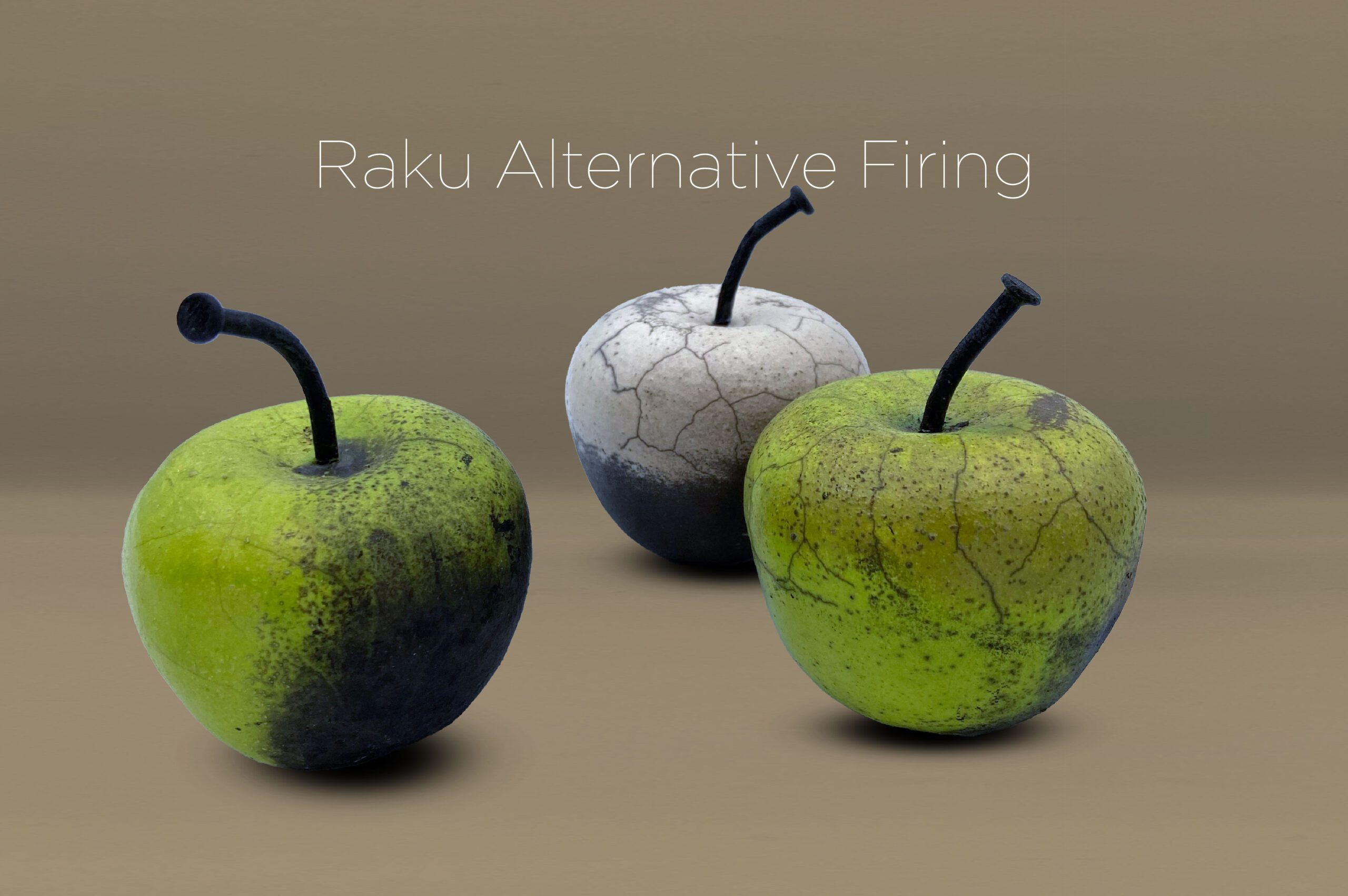
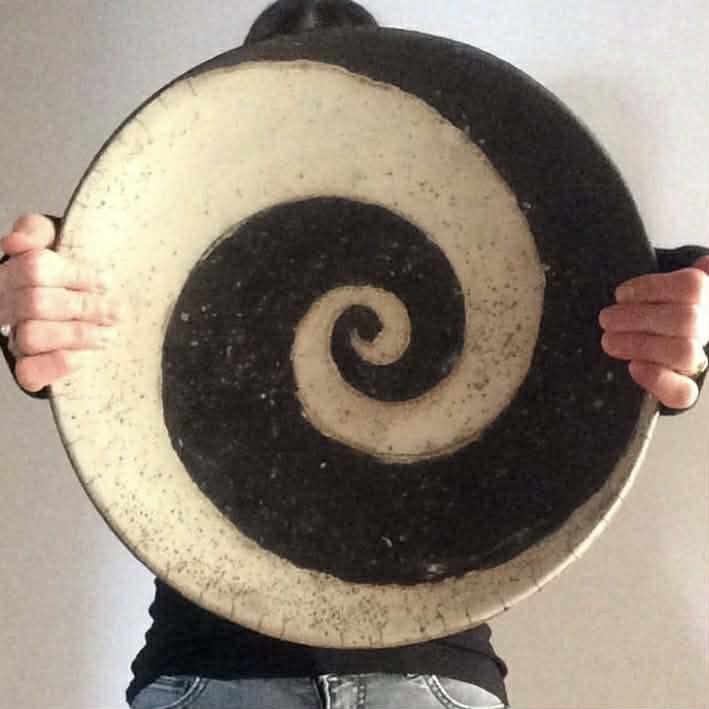
Raku is a ceramic firing technique whose origin is connected to the ancient Japanese art of the tea ceremony. It was developed in the 16th century by the potter Chojiro under the guidance of the tea master Sen no Rikyu, who - contrary to the expensive and luxurious ceramics of the time - sought tea utensils that favored a more spiritual and earthy approach to the philosophy of Zen, embodying the aesthetic of wabi-sabi: the beauty found in imperfection, simplicity, and transience.

The chawan bowls were shaped exclusively by hand so that they would retain a unique organic form, spiritually connecting the artisan with the ceremony. They were then fired, and once removed from the kiln while still glowing hot, they were left to cool naturally in the open air. The thermal shock created random and unrepeatable patterns, symbolizing the uniqueness of the moment and the concept of ichigo ichie: one time, one meeting.

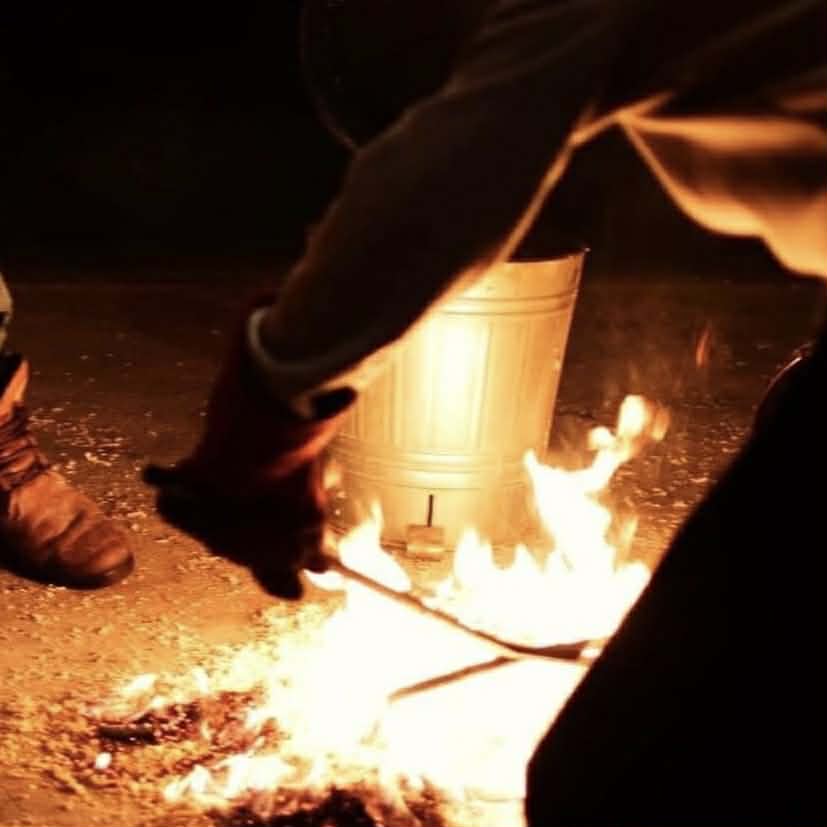
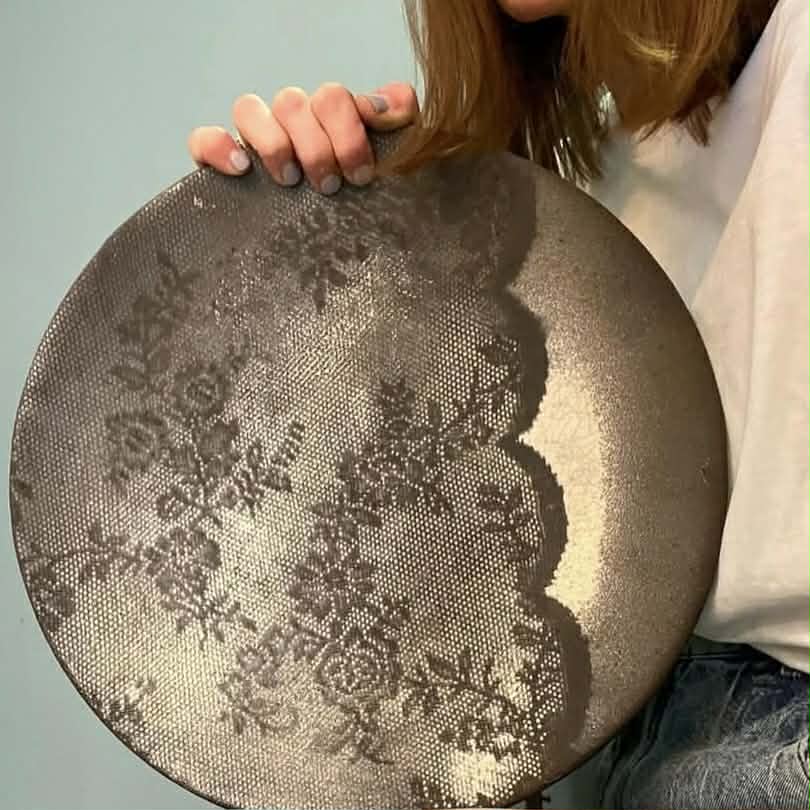
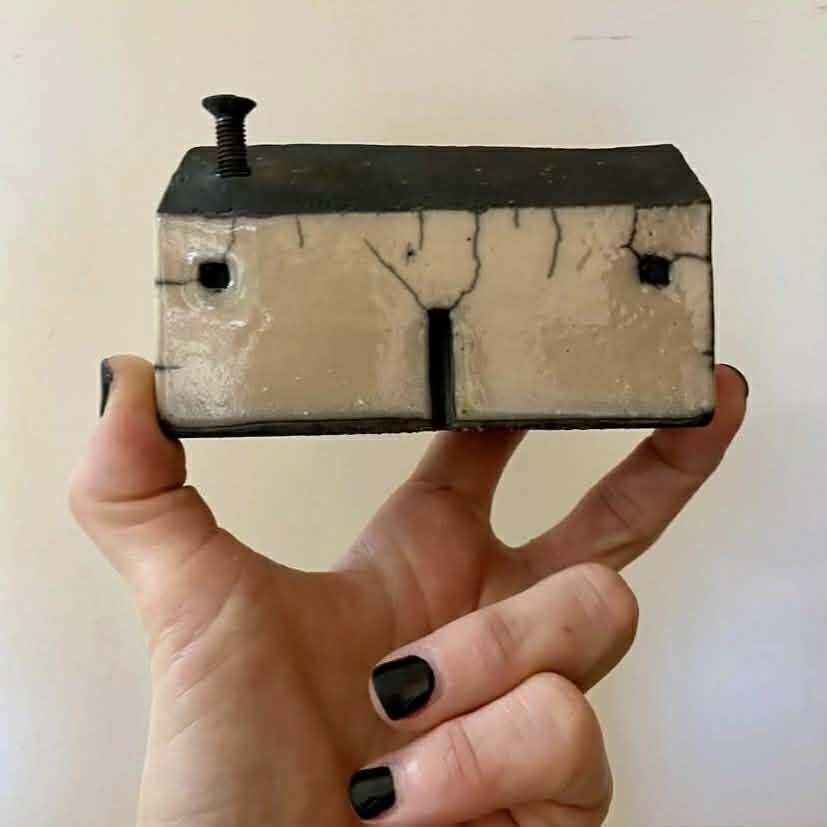
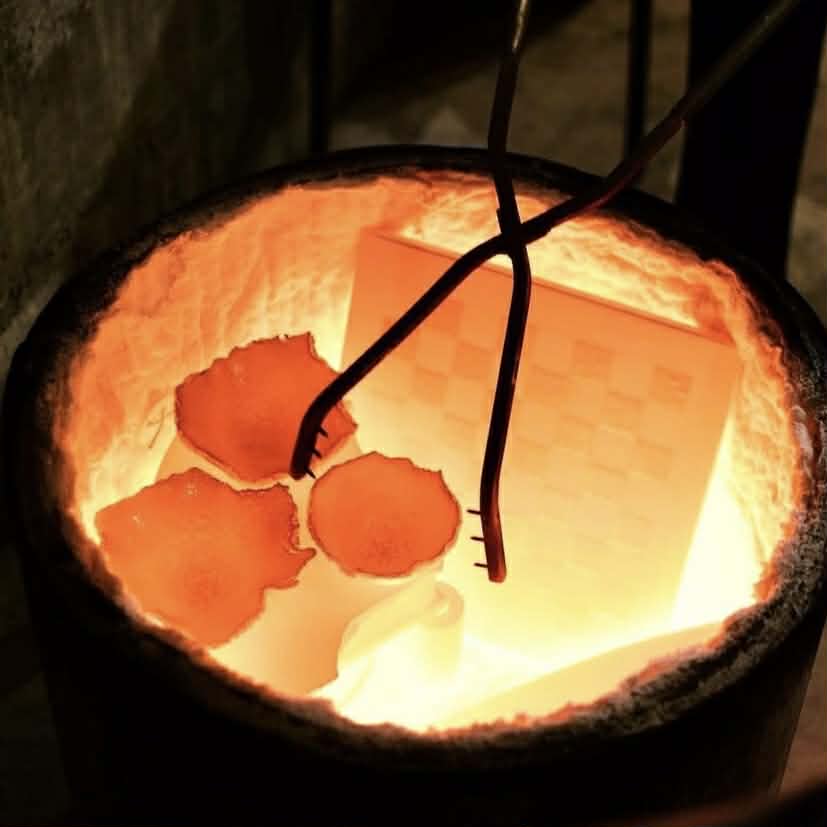
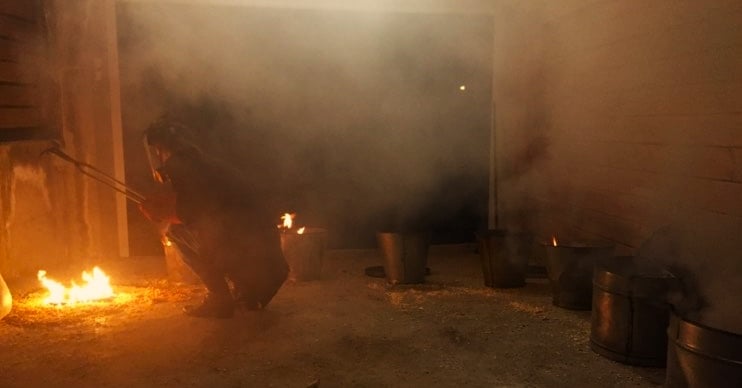
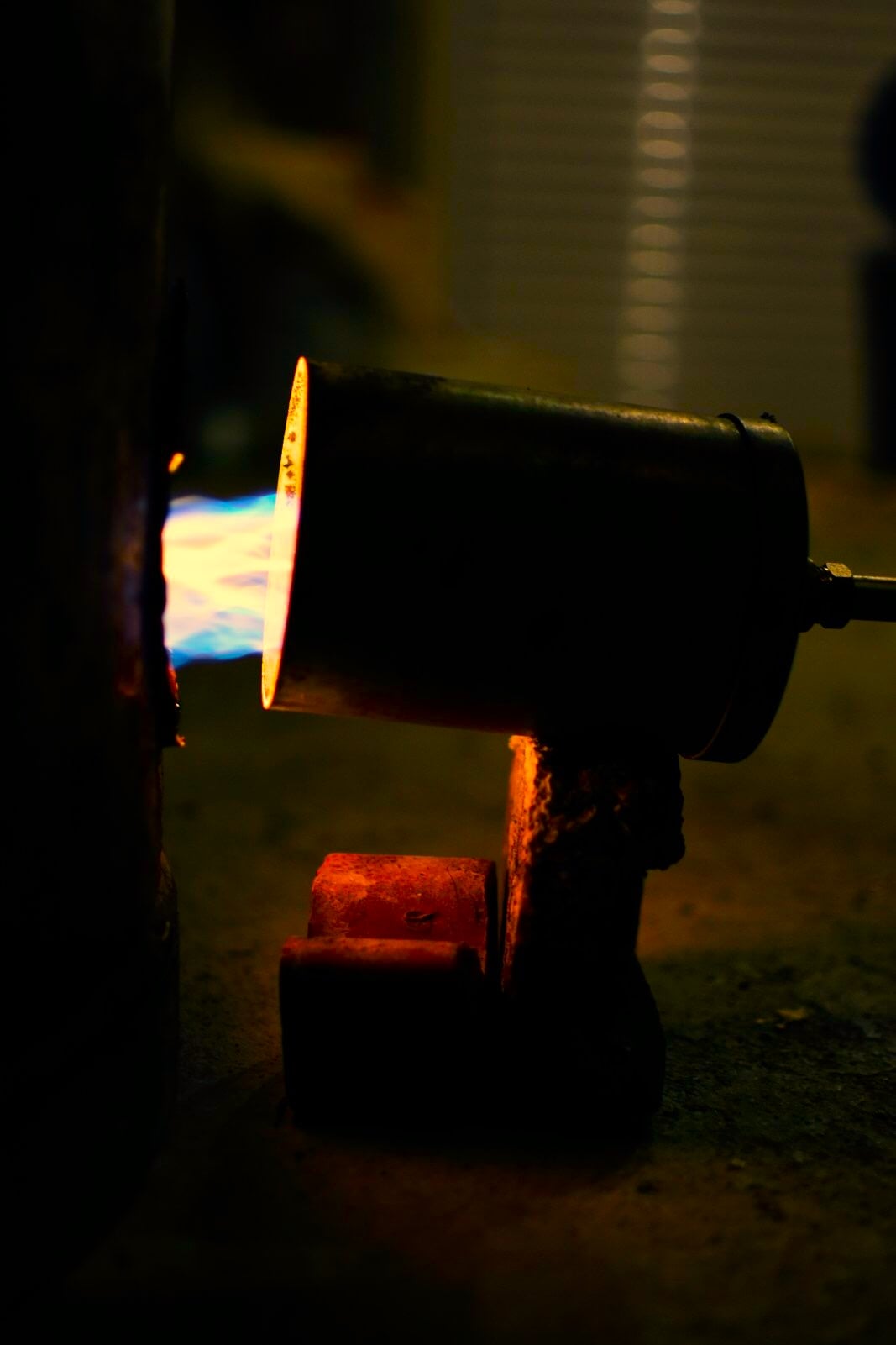
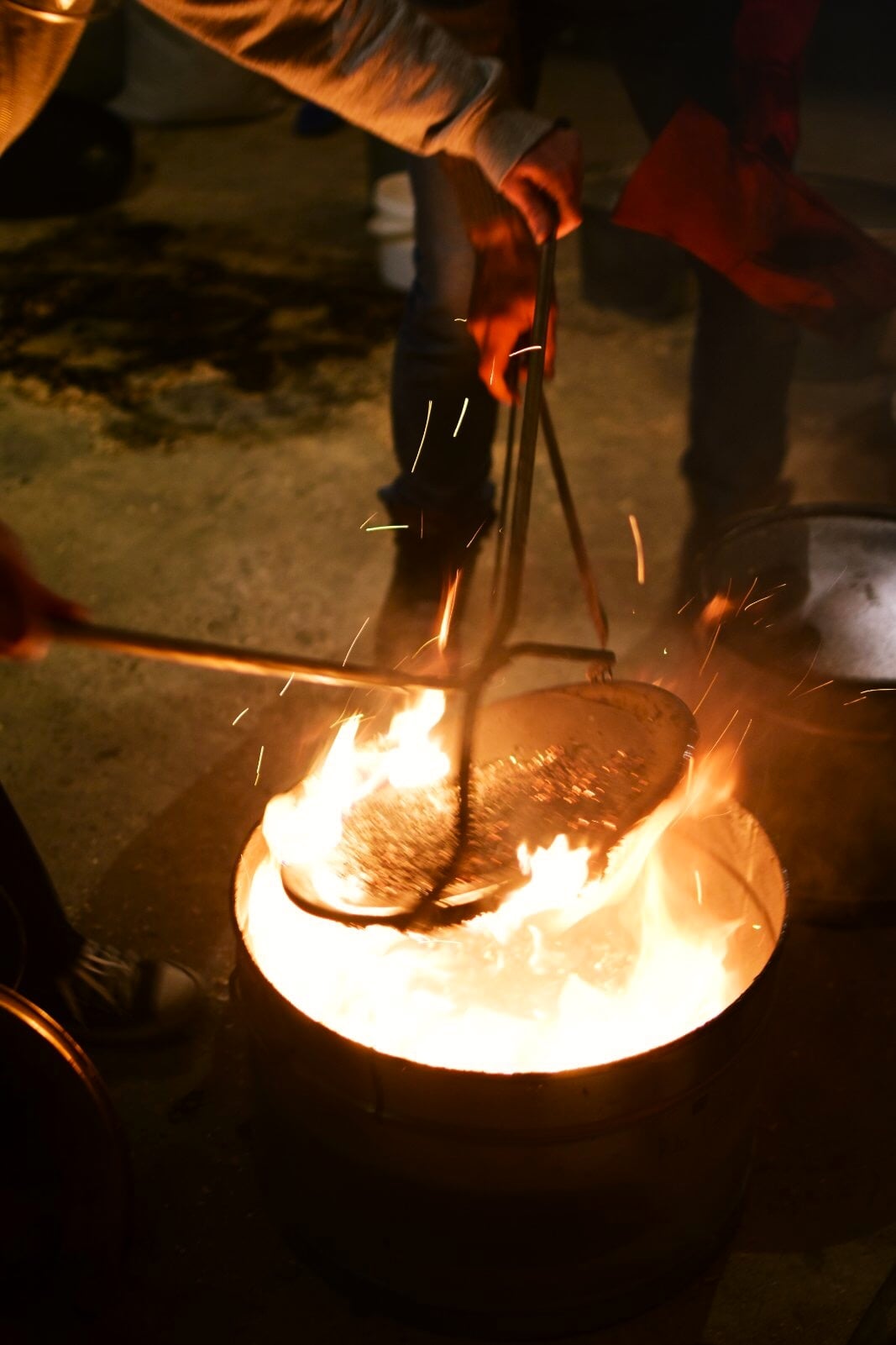
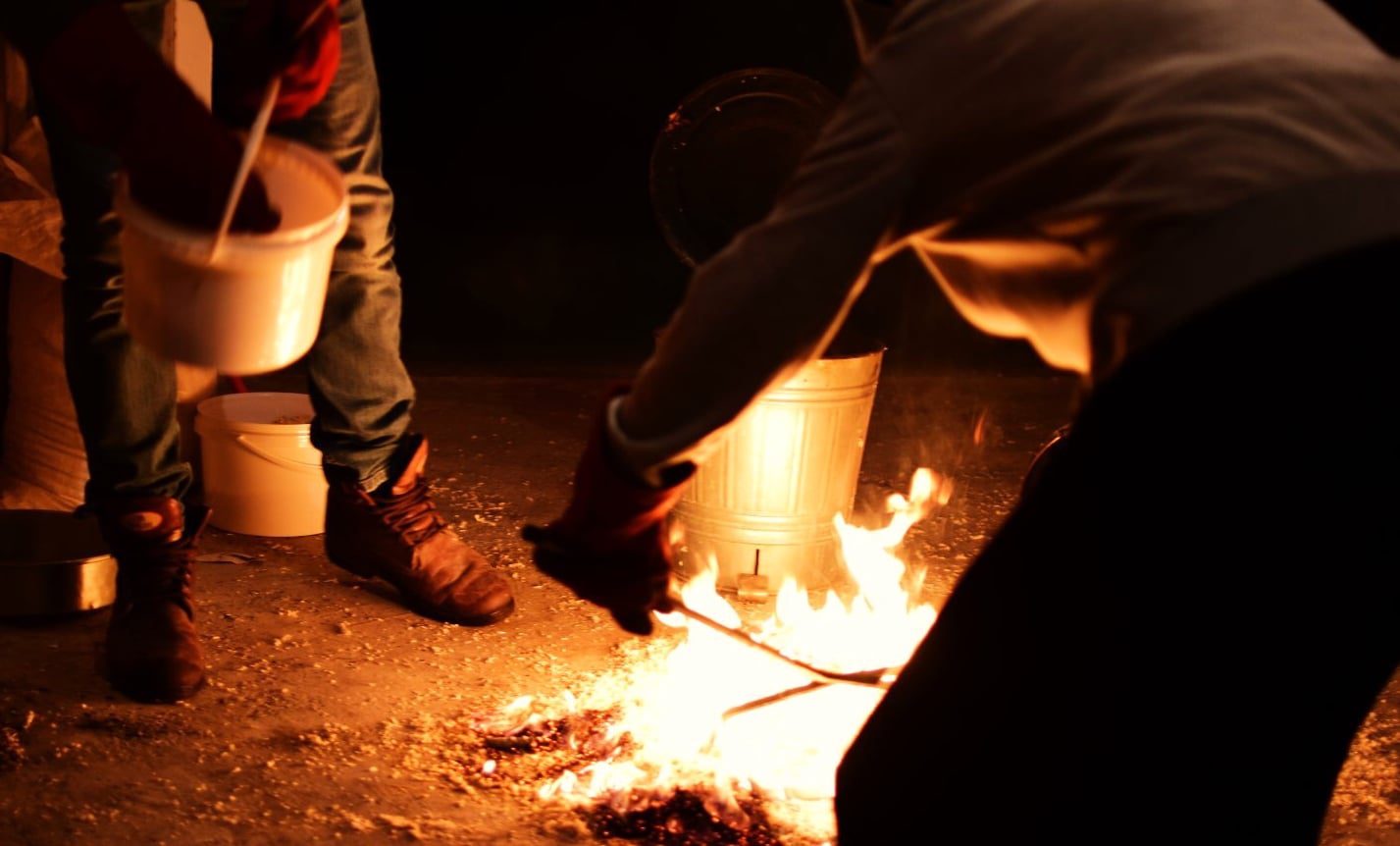
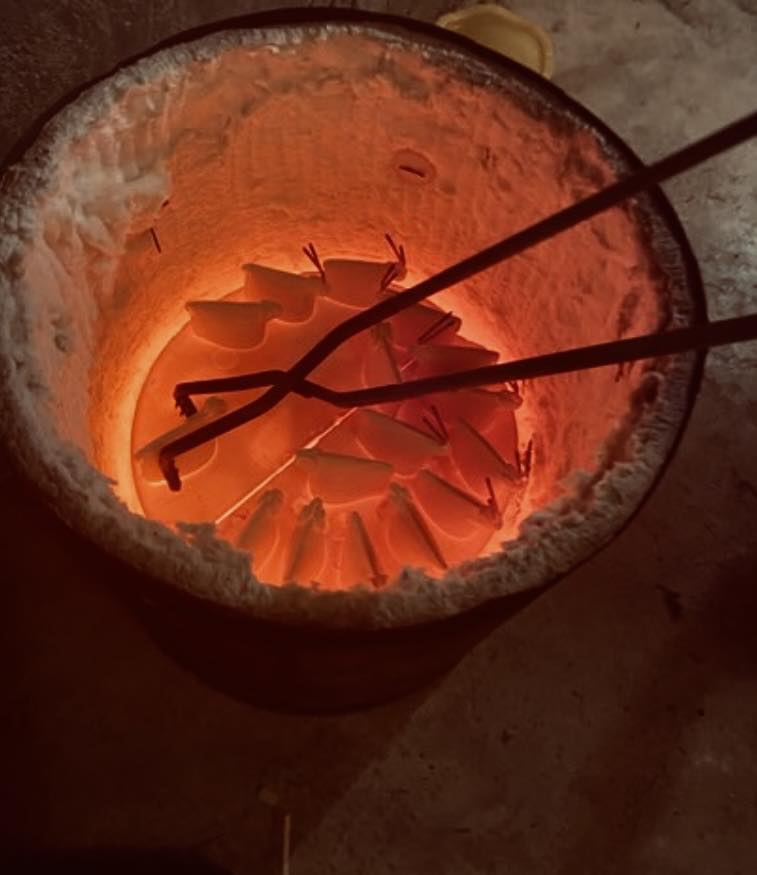
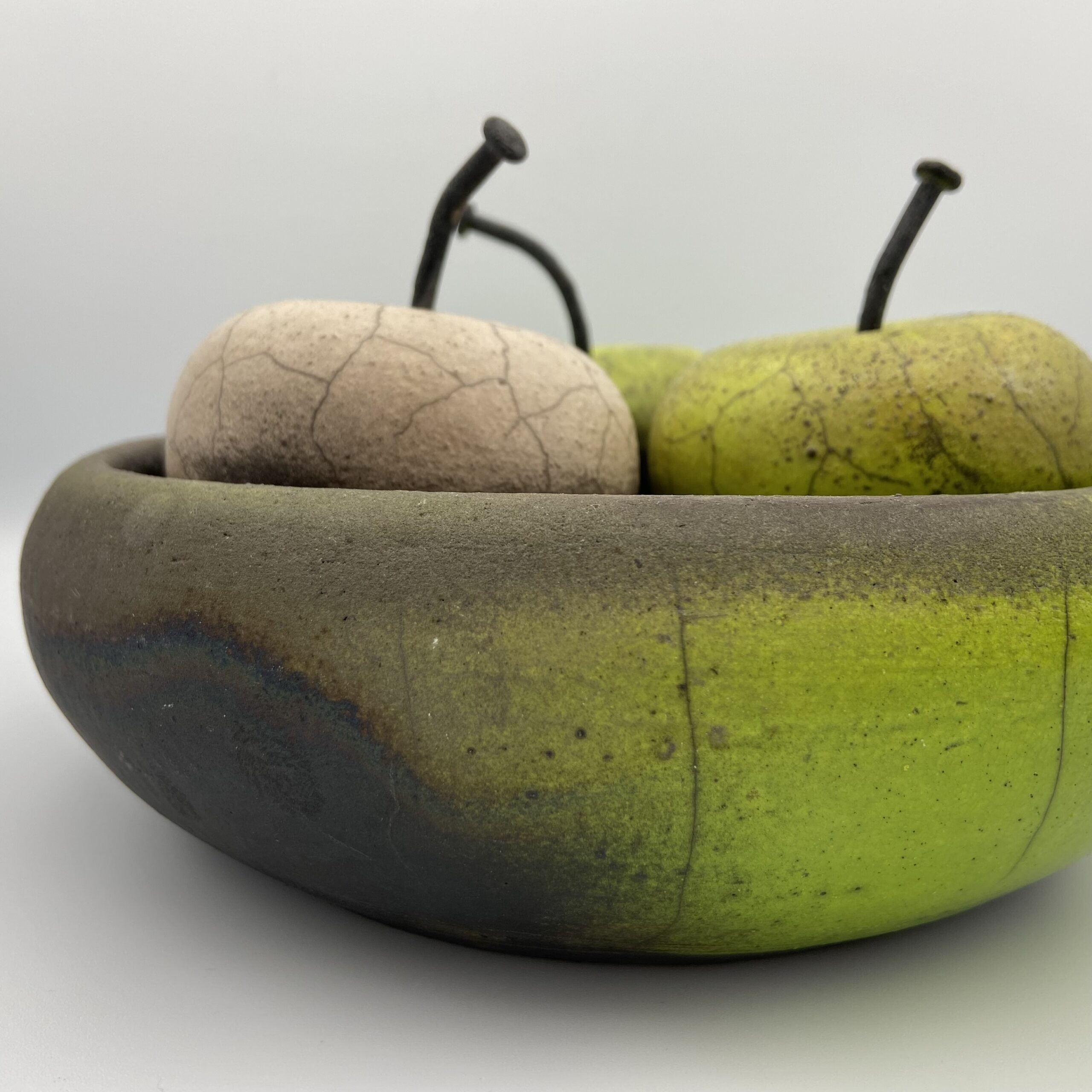
Bernard Leach is considered the person who bridged Japanese tradition with the Western world. Fascinated by the Raku technique, he brought to the West in 1920 the valuable knowledge he had acquired during his many years of residence and apprenticeship in Japan, opening the way for continuous experimentation that led to its modern interpretation.In Western Raku, the potter removes the ceramic from the kiln while it is still glowing hot, at a temperature of about 1000°C, places it into a container with organic materials so that they ignite, and seals it, thereby creating a reduction atmosphere. It is then plunged into water, locking the process. The smoke from the reduction and the repeated thermal shocks the piece undergoes inscribe metallic lusters and crackle patterns on the surface of the ceramic, revealing unique works of art that can never be reproduced.
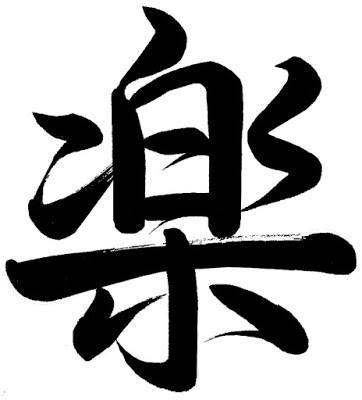
The seal bearing the ideogram Raku was honorarily bestowed upon the family of the potter Chōjirō in recognition of the creation of the first chawan tea bowls, regarded as masterpieces that elevated the ritual of the tea ceremony. The ideogram symbolizes happiness, beauty, and enjoyment.

Raku firing technique

Raku is a ceramic firing technique whose origin is connected to the ancient Japanese art of the tea ceremony. It was developed in the 16th century by the potter Chojiro under the guidance of the tea master Sen no Rikyu, who - contrary to the expensive and luxurious ceramics of the time - sought tea utensils that favored a more spiritual and earthy approach to the philosophy of Zen, embodying the aesthetic of wabi-sabi: the beauty found in imperfection, simplicity, and transience.

The chawan bowls were shaped exclusively by hand so that they would retain a unique organic form, spiritually connecting the artisan with the ceremony. They were then fired, and once removed from the kiln while still glowing hot, they were left to cool naturally in the open air. The thermal shock created random and unrepeatable patterns, symbolizing the uniqueness of the moment and the concept of ichigo ichie: one time, one meeting.

Bernard Leach is considered the person who bridged Japanese tradition with the Western world. Fascinated by the Raku technique, he brought to the West in 1920 the valuable knowledge he had acquired during his many years of residence and apprenticeship in Japan, opening the way for continuous experimentation that led to its modern interpretation.In Western Raku, the potter removes the ceramic from the kiln while it is still glowing hot, at a temperature of about 1000°C, places it into a container with organic materials so that they ignite, and seals it, thereby creating a reduction atmosphere. It is then plunged into water, locking the process. The smoke from the reduction and the repeated thermal shocks the piece undergoes inscribe metallic lusters and crackle patterns on the surface of the ceramic, revealing unique works of art that can never be reproduced.
The seal bearing the ideogram Raku was honorarily bestowed upon the family of the potter Chōjirō in recognition of the creation of the first chawan tea bowls, regarded as masterpieces that elevated the ritual of the tea ceremony. The ideogram symbolizes happiness, beauty, and enjoyment.
Free shipping

Free shipping for orders over €100

return-product

Immediate delivery

Delivery within 2 working days

product-replacement

Return option

Return available within 14 working days

For orders to other countries, please contact us!

Updating
  • No products in the basket.